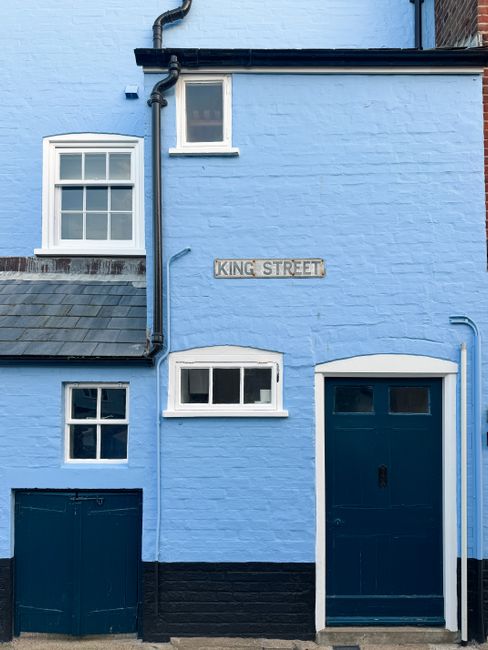
King Street Teddington Removals for Narrow Access Properties
If you are moving on or around King Street in Teddington, the house itself is only half the story. The real challenge is often the access: tight front paths, narrow hallways, awkward staircases, limited parking, busy street conditions, and the sort of doorway that makes a sofa look suddenly overconfident. That is exactly why King Street Teddington removals for narrow access properties need a more careful plan than a standard move.
The good news? With the right preparation, the right vehicle choice, and a team that understands how to work in confined spaces, a tricky move can still feel calm and organised. This guide breaks down how narrow-access removals work, what to expect on the day, and how to avoid the usual headaches. We will also cover practical checklists, common mistakes, and the sensible next step if you want a smoother move rather than a stressful one. Because let's face it, nobody wants to discover the piano won't turn the corner at the last minute.
Why King Street Teddington removals for narrow access properties Matters
Narrow access changes almost everything about a move. A property may be perfectly livable day to day, but on moving day it can become a puzzle of turning radii, lift sizes, stair widths, railings, parked cars, and fragile walls. On a street like King Street, where access can be tight and the margin for error is small, even a straightforward home move can become complicated if nobody plans for the physical environment.
That matters for three reasons. First, it affects time. Loading a large van from a narrow front entrance takes longer than a simple curbside carry. Second, it affects safety. A rushed manoeuvre with a wardrobe or a fridge can damage the property, the item, or someone's back. Third, it affects cost and logistics. If access has not been assessed properly, the wrong vehicle or crew size can slow everything down and create avoidable expense.
King Street properties can include a mix of period homes, flats, converted buildings, and compact terraces, which often means the access route is just as important as the room layout. In our experience, the best outcomes come from planning the route before moving day, not trying to solve problems in the middle of the job. That sounds obvious, but you would be surprised how often it gets missed.
Expert summary: Narrow access removals succeed when the mover plans for the path in, the path out, and the path back again. Measure first, carry less uncertainty, and never assume a standard vehicle will be the best fit.
If you are comparing options, it can help to look at broader services such as removals, home moves, or flat removals so you can match the service to the property type rather than forcing a one-size-fits-all approach.
How King Street Teddington removals for narrow access properties Works
The process usually starts with an access review. That may be done by photos, a phone discussion, or a visit if the move is especially awkward. A good mover wants to know about front steps, alleyways, side gates, stair turns, ceiling height, parking restrictions, and whether the largest item can actually make the journey without dismantling.
From there, the move is designed around the narrowest point, not the easiest one. That means choosing the right van size, deciding whether a smaller vehicle is more practical than a large one, and planning where loading and unloading will happen. On King Street, that can be the difference between a tidy, efficient transfer and ten extra trips with people sweating under a mattress in the rain. Not ideal.
The team may also suggest partial dismantling of furniture, protective wrapping for corners and banisters, and a carry route that keeps bulky items away from tight walls. For some homes, the smartest option is a smaller vehicle combined with shuttle loading. For others, a larger vehicle is fine, but only if the street and driveway conditions support it.
Good movers also coordinate timing. If the road is busier at certain times, a morning slot may be easier. If parking is limited, they may advise on what needs to be reserved or moved in advance. This is where local experience really helps. The physical street, the property type, and the moving day all influence the plan.
For some customers, the best fit is a man and van style arrangement. For others, especially where the load is larger or there are multiple rooms involved, a more structured service such as man with van or a larger move through removal services may be more appropriate. The key is to match the method to the access, not just to the number of boxes.
Key Benefits and Practical Advantages
Handled well, narrow access removals offer more than just a successful move. They reduce stress, protect property, and help the day run with fewer surprises.
- Less damage risk: Careful route planning lowers the chances of scuffed walls, chipped paint, or bumped furniture.
- Better time control: When access is assessed in advance, loading and unloading can be sequenced properly.
- More suitable vehicle choice: A smaller van can be far more efficient than a large truck on a tight street.
- Safer lifting: A team that understands awkward angles can handle items with less strain and fewer sudden turns.
- Fewer costly delays: If parking, stairs, or access points are accounted for early, the move is less likely to stall.
- Less disruption to neighbours: A tidy, organised move tends to be quieter and less intrusive. That matters on a close residential street.
There is also a psychological benefit that people often overlook. When access is difficult, a rushed move feels chaotic very quickly. When it is properly managed, the whole day feels steadier. You can see what is happening, what comes next, and who is handling what. That calmness is worth a lot on moving day.
If you need a little extra support with the packing side, services like packing and boxes or packing and unpacking services can make a real difference, particularly where access restrictions make every item hand-carried.
Who This Is For and When It Makes Sense
Not every move needs specialist handling, but narrow access removals make sense for a lot of people in Teddington. If your home has a tight front entrance, a narrow staircase, an awkward landing, or a shared access passage, you are probably already in the territory where proper planning pays off.
This is especially relevant if you live in a:
- period terrace with a narrow hallway
- basement or top-floor flat with tight internal stairs
- converted building with split levels
- property with no straightforward off-street parking
- home where large items need partial dismantling
- house with a shared side passage or compact rear access
It also makes sense for anyone moving heavier or awkward items. A sofa can be awkward. A fridge is awkward. A wardrobe is awkward until it meets a stair bend, and then it becomes a very different kind of awkward. Pianos, large mirrors, and antique furniture deserve even more care, which is why some customers choose specialist services such as piano removals or furniture removals.
Students moving into compact accommodation, people downsizing, and small businesses relocating into tighter premises can also benefit. If your move is time-sensitive, you might combine access planning with same day removals, though that only works well when the access details are clear enough to avoid a last-minute scramble.
Step-by-Step Guidance
Here is the practical way to approach a narrow-access move on King Street without making the day harder than it needs to be.
- Measure the access points. Check door widths, stair turns, ceiling heights, and any tight corners in advance. If you can, measure the biggest item too.
- Photograph the tricky areas. A few good photos of hallways, entrances, and parking conditions often tell the story better than a long phone call.
- Identify parking and loading space. Work out where the vehicle can stop safely and how far items will need to be carried.
- Decide what needs dismantling. Beds, wardrobes, and table legs can often be taken apart to make access easier.
- Choose the right vehicle. A smaller van or a flexible vehicle setup may be far better than a larger truck if the road is tight.
- Protect the property. Use covers, blankets, and guards for corners, bannisters, and floors where needed.
- Pack for carrying, not just storage. Boxes should be manageable, sealed, and not too heavy for stairs or narrow corridors.
- Load in the right order. The items you need first at the destination should not end up buried under the heaviest pieces.
- Keep communication open. A quick update about parking, neighbours, or access changes can prevent slowdowns.
- Check the final walk-through. Before the vehicle leaves, make sure nothing has been missed in cupboards, loft spaces, or under stairs.
If you are still in the planning stage, it may help to explore related pages such as removal van, moving truck, or removal truck hire so you can decide how much vehicle space you actually need.
Expert Tips for Better Results
Small details make a big difference in narrow-access jobs. To be fair, most moving problems are not dramatic; they are just annoying little things that add up.
Tip 1: Treat the narrowest point as the main event. If the front door or stair corner is the bottleneck, everything else should be planned around that point. Do not design the move around the easiest room.
Tip 2: Keep box sizes consistent. Mixed-size boxes slow things down because they do not stack well and they are harder to carry through tight areas. Uniform box sizes are boring, yes, but brilliantly effective.
Tip 3: Clear the route before the crew arrives. Shoes, coat stands, bins, and loose mats are tiny trip hazards, especially when people are walking backwards with furniture.
Tip 4: Use smaller, safer loads. On stairs and tight paths, lighter boxes can be faster than overpacked ones. A heavy box that looks efficient can become a genuine problem halfway up the staircase.
Tip 5: Ask for the moving plan in plain English. If the plan is hard to explain, it may not be thought through properly. You want a clear sequence: where the van stops, what comes out first, what needs dismantling, and who handles the awkward items.
Tip 6: Think about the destination too. A property with narrow access at the delivery end can be just as tricky as the pickup address. People sometimes forget this. Then the fun begins again, only on the other side.
Where sensible, pair your move with extra support from house removals or house removalists if you want a more complete home-moving setup rather than piecing everything together yourself.
Common Mistakes to Avoid
Narrow access removals go wrong for predictable reasons. Most of them are avoidable.
- Assuming the van will fit without checking. A street may look manageable until the vehicle arrives. That is a stressful moment to discover otherwise.
- Not measuring furniture. Sofas, beds, and wardrobes often cause issues because they are just a little too long, wide, or tall.
- Ignoring stair bends and handrails. Many people measure doors but forget the turn halfway up the stairs. That is where a lot of moves catch out.
- Packing boxes too heavily. Heavy boxes are harder to carry through tight entrances and more likely to drop or split.
- Leaving everything to the last minute. Dismantling, parking arrangements, and access checks need time. Rushing only magnifies the difficulty.
- Forgetting building rules or neighbour considerations. Shared entrances and close neighbours can create friction if the move is noisy, blocked, or prolonged.
- Choosing the wrong service level. A tiny load may not need a full-scale truck, while a bigger move may be better handled by a more structured team.
There is one more mistake worth mentioning: trying to "save time" by skipping the access conversation altogether. That rarely saves time. It just moves the problem to moving day, where it gets more expensive and more annoying.
Tools, Resources and Recommendations
You do not need fancy equipment to manage a narrow-access move, but a few basic tools help a lot.
- Measuring tape: Essential for doors, stair landings, furniture, and corridors.
- Furniture blankets and wraps: Helpful for protecting surfaces and reducing bumps in tight spaces.
- Sturdy tape and labels: Good for sealing boxes and marking fragile or priority items.
- Furniture tools: Allen keys, screwdrivers, and bagged fixings for dismantled items.
- Gloves and grippy footwear: Simple, practical, and often overlooked.
- Phone camera: A few clear photos of the access route can remove guesswork.
For customers who prefer help from start to finish, support with packing and boxes and packing and unpacking services can save time and reduce clutter before the move begins.
If furniture is not worth moving, or if you need to clear space before the move, services like furniture pick up and furniture removals can help you remove surplus items in a practical way. Less clutter often means easier access, and that is never a bad thing.
Law, Compliance, Standards, or Best Practice
Moving home is not usually a heavily regulated activity for the customer in the way some other services are, but good practice still matters. In the UK, movers should work with sensible manual handling methods, safe loading practices, and clear responsibility for protecting people and property. That means using appropriate lifting techniques, avoiding obvious hazards, and taking access issues seriously before the work starts.
For narrow-access properties, best practice usually includes:
- checking access in advance rather than assuming it
- planning safe lifting routes for bulky items
- using suitable vehicles for the street and property layout
- protecting walls, bannisters, flooring, and door frames
- communicating clearly about any hazards or restrictions
If a company publishes a health and safety policy or explains its insurance and safety approach, that is a good sign. It shows the mover is thinking beyond just the quote. For many customers, that reassurance matters as much as price.
It is also sensible to review the terms and conditions and understand what is covered, especially if access is unusually difficult, items need dismantling, or the move depends on specific timing. If anything feels unclear, ask before moving day. A quick conversation now beats a tense discussion beside the van later.
Options, Methods, and Comparison Table
Different access conditions call for different moving methods. Here is a simple comparison to help you think it through.
| Method | Best for | Strengths | Watch-outs |
|---|---|---|---|
| Small van move | Single items, light flats, restricted streets | Easy to park, flexible in tight access, quick to load | Limited capacity, may need multiple trips |
| Man and van | Small to medium home moves, awkward access | Flexible, practical, often cost-effective | Not ideal for large multi-room moves if underplanned |
| Full removal service | Larger properties or more complex jobs | More crew support, better for heavy or delicate items | Can be more than you need for a small move |
| Truck-based removal | Moves with significant volume and clear loading space | Efficient when access and parking allow it | May be awkward on narrow streets if not carefully planned |
The right choice depends less on labels and more on reality. A tiny-looking flat can still be awkward if the staircase is tight, while a larger house might be easier if the front access is open and the parking is generous. That is why the initial access check matters so much.
If you are comparing service types, pages such as man with a van, man with van, and removal companies can help you match expectations to the size and difficulty of the job.
Case Study or Real-World Example
Imagine a two-bedroom flat on King Street with a narrow staircase, no lift, and very limited parking outside. The customer has a sofa, bed frames, a dining table, and several stacked boxes. At first glance, it looks like a normal move. Then you walk the hallway. The landing turn is tight, the front door opens inward, and the staircase makes the sofa route awkward enough to require a careful angle and two people on the carry.
In a situation like that, the move usually goes better when the team:
- arrives with a van sized for access, not just volume
- brings protective coverings for the hallway and stairs
- disassembles the bed and table in advance
- loads the largest items first while the route is clear
- keeps the box count manageable and the heavier boxes small
The biggest difference is rarely brute strength. It is planning. One customer may think the issue is the sofa, but often the real bottleneck is a turn on the staircase or the load-in space outside. Once that is identified early, the move becomes much more manageable. Not easy, maybe, but manageable. And that is a big win on a tight street.
For a customer with a time limit, combining home moves with same day removals can work, but only if the access details are clear and the property has been properly assessed. Speed is useful; blind speed, not so much.
Practical Checklist
Use this checklist before moving day. It keeps the process simple, which is exactly what you want when access is tight.
- Measure doors, stairs, and any tight corners
- Take photos of the access route
- Check where the van or truck can stop safely
- Confirm whether furniture needs dismantling
- Pack boxes to a manageable weight
- Label fragile and priority items clearly
- Protect floors and corners where needed
- Move obstacles from hallways and entrances
- Confirm the timing and the arrival window
- Review insurance, safety, and terms in advance
- Decide whether storage is needed between properties
If your moving dates do not line up perfectly, a service such as storage can take the pressure off. It is one of those practical options people only appreciate once they are in the middle of a move and realise the keys do not quite align.
Get a free quote today and see how much you can save.
Conclusion
King Street Teddington removals for narrow access properties are all about careful planning, the right vehicle choice, and a moving team that knows how to work around real-world constraints. Tight hallways, awkward stairs, limited parking, and period-property quirks do not have to derail the day, but they do need to be treated seriously.
If you prepare properly, measure honestly, and choose a service that fits the property rather than forcing the property to fit the service, the move becomes much simpler. You will feel the difference early, usually before the van even arrives. Less scrambling, fewer surprises, better control. That is the aim.
And if you are still weighing up your options, take a calm look at the access, the items, and the timing. The move does not have to be perfect. It just has to be well handled. That, truth be told, is usually enough.
Frequently Asked Questions
What counts as a narrow access property on King Street?
A narrow access property is one where the route in or out is restricted by a tight doorway, narrow stairs, small hallway, limited parking, shared entrance, or awkward turning space. On King Street, that often means older buildings or compact layouts that need more planning than a standard move.
How do removers check whether a van will fit?
They usually ask for measurements, photos, or a short discussion about parking and access. In some cases, a site visit is the safest option. The main goal is to avoid guessing, because guessing is where moving-day problems usually begin.
Is a man and van service enough for narrow access moves?
Sometimes, yes. A man and van setup can be ideal for tight streets and smaller loads because it is flexible and easier to position. For bigger loads or more complex furniture, a more structured move may be better.
Should furniture be dismantled before moving day?
If an item is large or awkward, dismantling it often makes the move easier and safer. Beds, wardrobes, and some tables are common examples. If you are unsure, ask in advance rather than waiting until the item is stuck halfway through the hallway. That is never fun.
How can I make my property easier to move out of?
Clear hallways, remove loose items, measure tight points, and pack boxes to sensible weights. If possible, leave the main access route open and free of clutter. A clean route makes a noticeable difference, especially in a narrow house or flat.
What if parking is very limited on the street?
Parking limits should be discussed early so the mover can plan the loading point and vehicle size. In some cases, a smaller vehicle or shuttle-style loading is the better option. Leaving it to chance usually wastes time.
Do narrow access removals cost more?
They can, depending on the extra time, labour, or vehicle changes required. But the cost depends on the specific job, not just the fact that access is narrow. A clear access assessment is the best way to keep pricing fair and realistic.
Can you move heavy items like pianos through tight access?
Often yes, but it depends on the layout, the weight, and the route. Specialist handling is usually wise for delicate or heavy items. A service such as piano removals is designed for that sort of job.
What should I pack differently for a narrow staircase?
Use smaller, lighter boxes and avoid overfilling them. Mixed heavy boxes are harder to carry on stairs and more likely to cause accidents. Uniform box sizes help the crew move steadily and safely.
Do I need storage if access is awkward?
Not always, but it can help if move-in and move-out dates do not align, or if you need to reduce the amount of furniture going through a tight property in one go. Storage can be a practical buffer when timing is messy.
What is the best first step if I want help with a narrow access move?
The best first step is to gather a few photos and measurements of the access route, then speak to a mover who can assess the job properly. If you want a smooth start, use the contact and quote process early, before the move date gets too close. That little bit of lead time makes everything calmer.